
The other day, I was out running errands, and an iced green tea sounded good. I had some texts to respond to, so I sat down at one of the patio tables at a local coffee shop. Two ladies were sitting at the next table, and I overheard one of them tell the other, "That's just playing the victim card."
I didn't intend to eavesdrop, but her voice carried with some emotional escalation.
I noticed the other woman's body slump as her head lowered.
What I gathered from trying unsuccessfully to tune out (and feeling empathy for the woman looking at her feet) was that her son had just been kicked out of his apartment and had moved back home. I didn't catch why, and honestly, that didn't matter.
He was struggling to reset and openly talked about being depressed.
I heard her say, "Yes, but..." a few times, trying to defend her son (and herself), only to be quickly cut off by the other woman's more dominant energy.
I could feel the mom's inner conflict about wanting to have compassion for his situation, yet also wanting to find a helpful way to support him without enabling him (which I actually believe was the louder woman's intention, too).
Now, I'd bet that you've had a situation similar to this. Perhaps you lost a job, or a relationship, or perhaps someone cut you off mid-sentence, more than once.
What came to mind as I drove home is a conversation I have with many of my amazing clients.
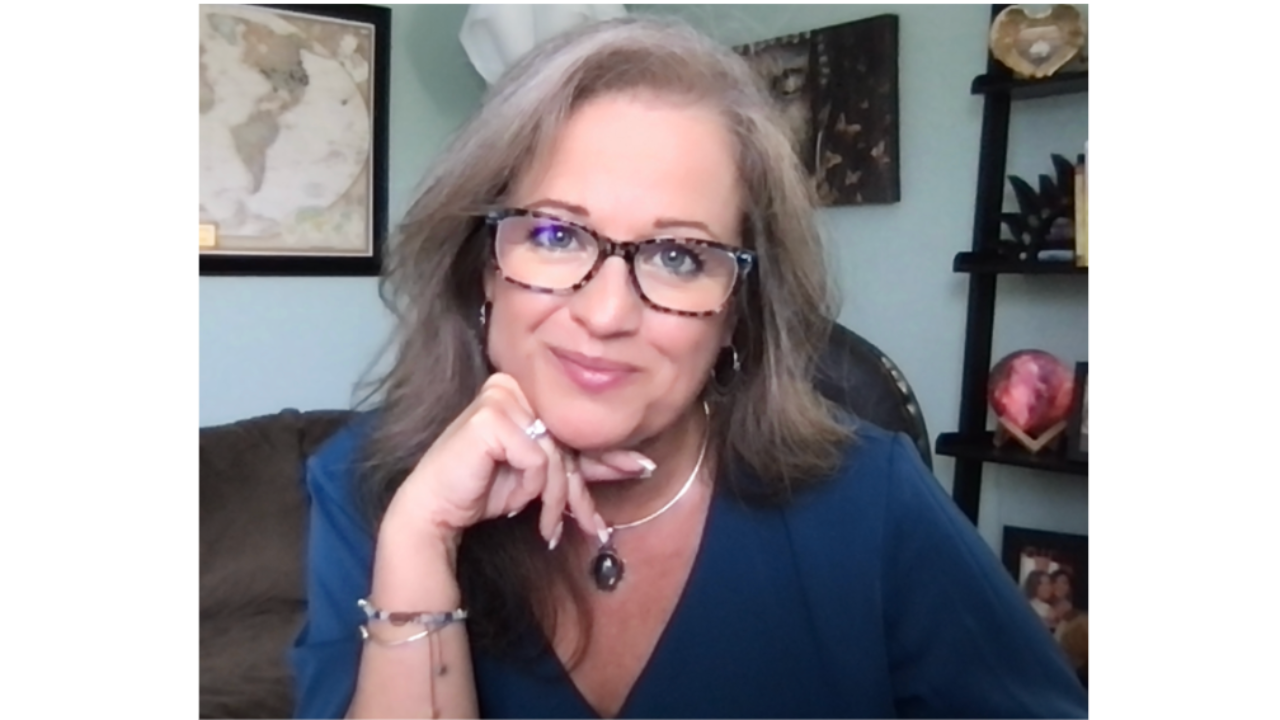
As a trauma release therapist, the stories I hear are heavy. There is depression, anxiety, shame, and often a difficult time resetting.
Trauma comes in many forms. And in most cases, the person traumatized is also victimized.
How can a therapist help the traumatized?
Big picture, I help them find their empowerment.
Simply throwing out the statement that someone is "playing the victim card" is actually quite demeaning and disempowering. It does not help in any way. In fact, it can cause more damage.
So, the goal is to allow the validation of difficult experiences and to ALSO walk with them on the path of healing to a place of much greater value, self-worth, and yes, empowerment.
In other words, a person can be victimized AND empowered at the same time, sometimes just by knowing others have walked a similar path.
This isn't a popular opinion, but it's what I've witnessed for almost twenty years.
With validation and willingness to do healing work, a soul can be both.
Self-worth comes in many forms. Being seen, heard, and acknowledged for knowing that something bad happened to you is just a beginning.
Stepping into the bravery of facing the damage difficult experiences have caused is courageous.
Courage creates empowerment.
Empowerment is a key component of how we value ourselves, speak our truth, and show up authentically.
I share all of this to say that no matter what is wounded or what healing work we've done, our self-worth can always grow. No matter how deeply our soul has been wounded or how much we've healed, there is no "there." There's no degree, no certificate, no guarantee in "I'm healed."
So, be kind. Be supportive. Be open to learning all sides of the story. Don't enable, but don't dismiss or invalidate either.
Just a little reminder in the Golden Rule.
~~~~~~~~~~~~~~~
"I am often asked how I can work with a subject as morbid as trauma without becoming burned out or depressed. My answer to this question is that witnessing the transformation that takes place when they master their traumas has proven to be a deeply sustaining and uplifting experience in my life."
-Dr. Peter A. Levine
Pete and I go way back,
Paula~

P.S. For free insights and special offers right to your inbox, sign up for my newsletter!
